Avant sa présentation à MetPlant 2026, le Dr Yufan Mu explique pourquoi le blocage des grilles continue de limiter les performances des broyeurs SAG et comment les outils prédictifs basés sur les données remodèlent la façon dont les opérateurs gèrent la stabilité du débit.
Faits clés
- Découvrez comment l'analyse des données et l'apprentissage automatique sont utilisés pour identifier le minerai en amont et les conditions de fonctionnement qui entraînent le blocage des grilles dans les broyeurs SAG.
- Obtenez des informations pratiques sur l'indice de blocage de grille modifié (mGPI) et sur la façon dont il aide les opérateurs à détecter plus tôt le risque de blocage et à passer d'un contrôle réactif à un contrôle proactif.
- Explorez des résultats concrets issus de données d'usines SAG à grande échelle qui montrent comment l'alignement des caractéristiques du minerai, des conditions de charge et de la stratégie d'exploitation peut améliorer le débit, la stabilité et les performances de l'usine.
Entretien avec le Dr Yufan Mu en amont de MetPlant 2026
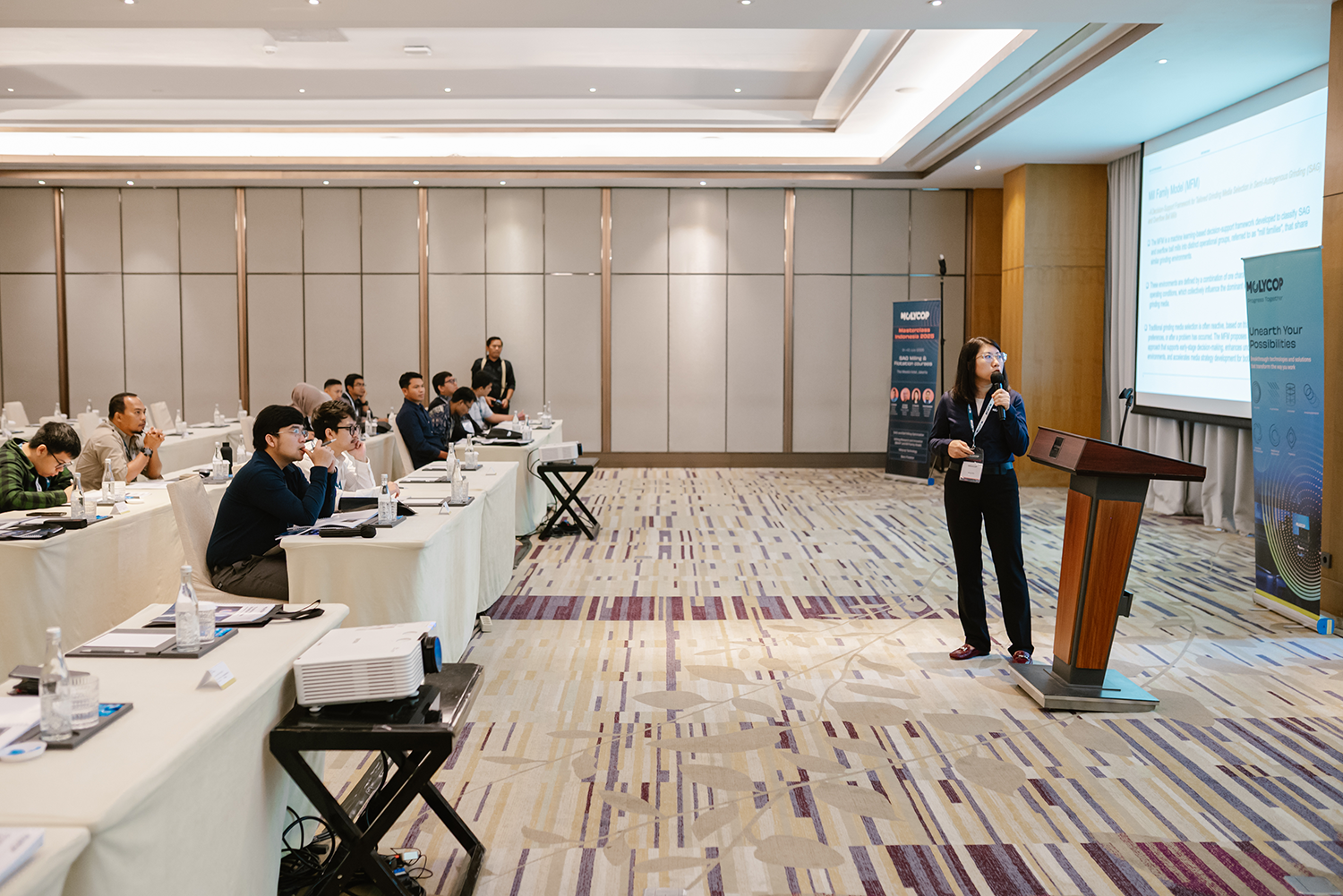
Le blocage des grilles demeure l'un des problèmes les plus persistants et perturbateurs du fonctionnement des broyeurs SAG ; il survient souvent sans prévenir et oblige les opérateurs à réagir rapidement. En amont de sa prochaine présentation à MetPlant 2026, nous avons rencontré le Dr Yufan Mu de Molycop pour discuter des raisons pour lesquelles le blocage des grilles continue de limiter le débit, de la manière dont les données et l'apprentissage automatique peuvent aider à le prédire et des conseils pratiques que les opérateurs peuvent appliquer pour améliorer la stabilité du broyeur.Le Dr Mu présentera « Identification des caractéristiques critiques du minerai et des conditions opérationnelles conduisant au blocage des grilles dans les broyeurs SAG », co-écrit avec Paul Shelley, dans le cadre du programme technique de MetPlant 2026.
Le blocage des grilles est un problème courant pour de nombreux exploitants, et pourtant, il est encore souvent géré de manière réactive. Pourquoi est-il si difficile de l'anticiper ?
Le colmatage des grilles est d'une complexité trompeuse. Bien qu'il se manifeste par un blocage physique au niveau de la grille, ses causes se situent en amont : les caractéristiques du minerai, les conditions de chargement et la stratégie d'exploitation. Ce qui le rend particulièrement difficile, c'est que le colmatage ne résulte généralement pas d'une seule variable. C'est l'interaction entre la granulométrie de l'alimentation, le niveau de compétence, la charge du broyeur et les conditions de déchargement qui est à l'origine du problème. Par le passé, nous avons manqué d'outils permettant de relier systématiquement ces facteurs, si bien que les interventions ont souvent lieu une fois le débit déjà réduit.Votre article examine la fixation des grilles à travers une approche basée sur les données. Quelle méthode avez-vous adoptée ?
Nous avons analysé les données opérationnelles d'une usine de traitement SAG industrielle à grande échelle, sur plusieurs campagnes de tubage. Plutôt que de nous concentrer sur des événements isolés, nous avons recherché des schémas de fonctionnement récurrents grâce à des techniques d'apprentissage automatique. Cela nous a permis d'identifier des combinaisons de caractéristiques du minerai et d'états de fonctionnement qui précédaient systématiquement les incidents de blocage. L'objectif était de passer d'un diagnostic symptomatique à une compréhension plus prédictive du comportement de l'usine.L'un des principaux résultats de ces travaux est l'indice de fixation des grilles modifié. En quoi cela aide-t-il les opérateurs ?
L'indice de blocage de grille modifié (mGPI) intègre les variables de fonctionnement critiques et les caractéristiques d'alimentation en un seul indicateur de performance. Au lieu de se fier à des signes indirects comme l'instabilité de puissance ou les variations de densité de décharge, cet indice fournit une indication plus claire du risque de blocage en temps quasi réel. Concrètement, cela signifie que les opérateurs et les métallurgistes peuvent interpréter plus tôt l'état du broyeur et intervenir avant que la situation ne dégénère en instabilité grave ou en perte de production.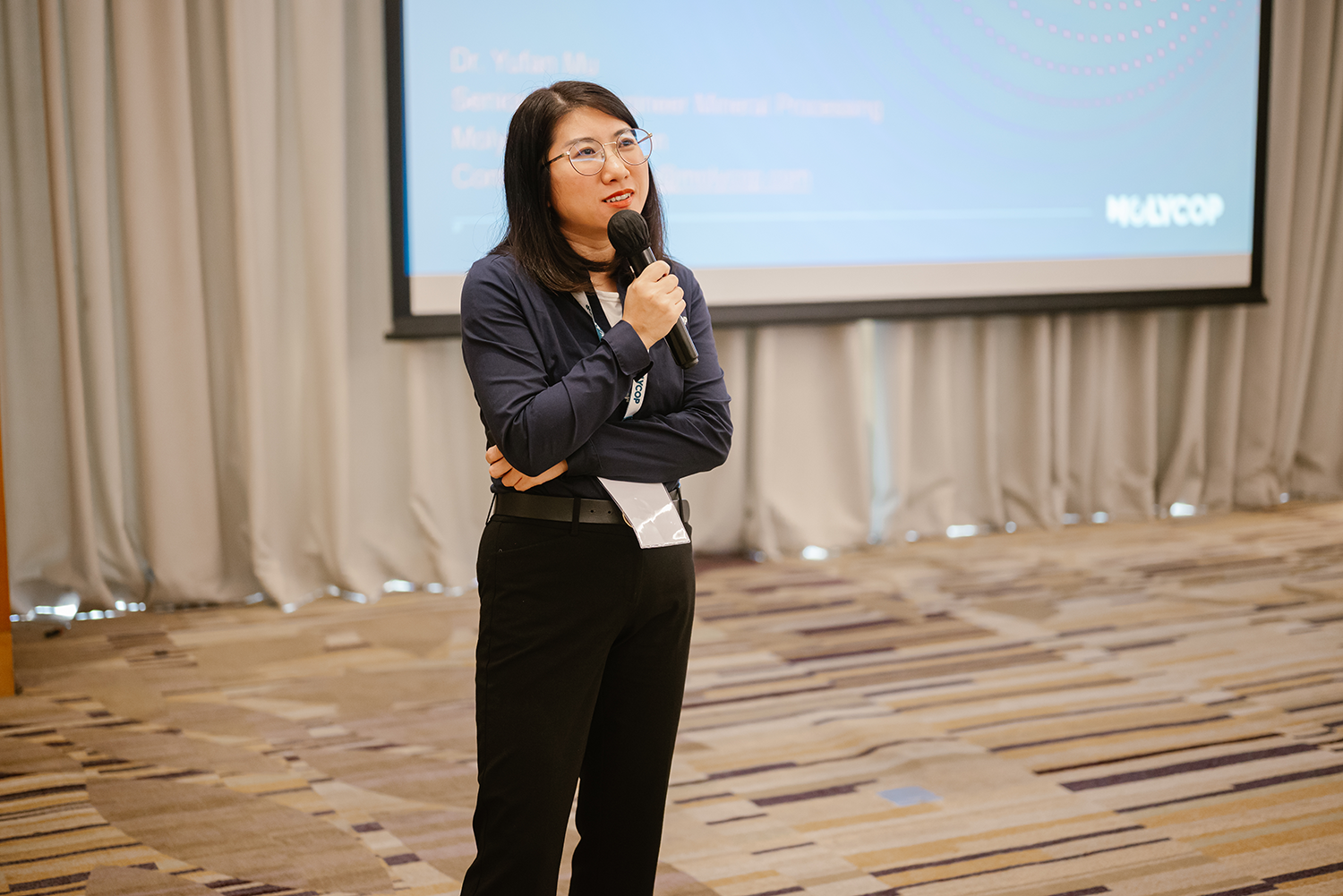
D'après vos conclusions, quels sont les principaux leviers que les sites peuvent actionner pour réduire le risque de pagging ?
L'alignement est essentiel. Les caractéristiques du minerai, les conditions de chargement et la stratégie d'exploitation doivent être considérés conjointement. Par exemple, certains types de minerai peuvent nécessiter un contrôle plus précis du volume de chargement ou de l'ouverture de la grille pour assurer un débit stable. L'étude confirme qu'il n'existe pas de réglage universel pour les broyeurs SAG : une performance durable repose sur la compréhension du comportement spécifique du minerai dans différentes conditions d'exploitation et sur une adaptation proactive.En quoi cette recherche s'inscrit-elle dans l'approche plus globale de Molycop en matière de broyage et d'optimisation des procédés ?
Chez Molycop, nous privilégions les solutions fondées sur la connaissance, qui associent données, compréhension des processus et mise en œuvre pratique. Ce travail reflète cette philosophie. En combinant données opérationnelles et analyses avancées, nous aidons les sites à dépasser les tâtonnements et à adopter un broyage plus stable et écoénergétique. Notre objectif est d'aider nos clients à optimiser leur rendement tout en maîtrisant les risques liés à des gisements de plus en plus complexes.À quoi peuvent s'attendre les participants lors de votre présentation à MetPlant 2026 ?
La présentation détaillera la méthodologie, les principaux résultats et, surtout, les implications opérationnelles. Nous mettrons l'accent sur la mise en application concrète de ces connaissances, et non uniquement sur la théorie. Si vous rencontrez des problèmes récurrents de blocage de grilles ou des limitations de débit inexpliquées, ce travail devrait vous être utile.
Rencontrez l'équipe de MetPlant 2026
Le Dr Mu et l'équipe technique de Molycop seront présents sur place pendant toute la durée de MetPlant 2026 pour partager leurs connaissances sur les performances de broyage, la caractérisation des minerais et l'optimisation basée sur les données. Les participants sont invités à assister à la présentation et à visiter le stand Molycop pour poursuivre les échanges, discuter des défis spécifiques à chaque site et découvrir comment les équipes d'innovation et de services techniques de Molycop contribuent à des performances plus stables et durables des usines de traitement.Pour plus de détails sur la présence de Molycop à l'événement, consultez la page MetPlant 2026 et échangez avec l'équipe pendant la conférence.