Ahead of Mineral Processing Circuits 2026, Dr Paul Shelley explores the carbon footprint of cast grinding media, highlighting how production, in-mill use, and energy sources impact mining’s overall environmental footprint.
Key Facts
- Dr Paul Shelley will present new research on the carbon footprint of cast grinding media at Mineral Processing Circuits 2026.
- The study analyses emissions from both production and in-use phases of grinding media in comminution circuits.
- Findings highlight the importance of electricity source, manufacturing pathways and process optimisation in reducing overall emissions.
Q&A with Dr Paul Shelley ahead of his presentation at Mineral Processing Circuits 2026
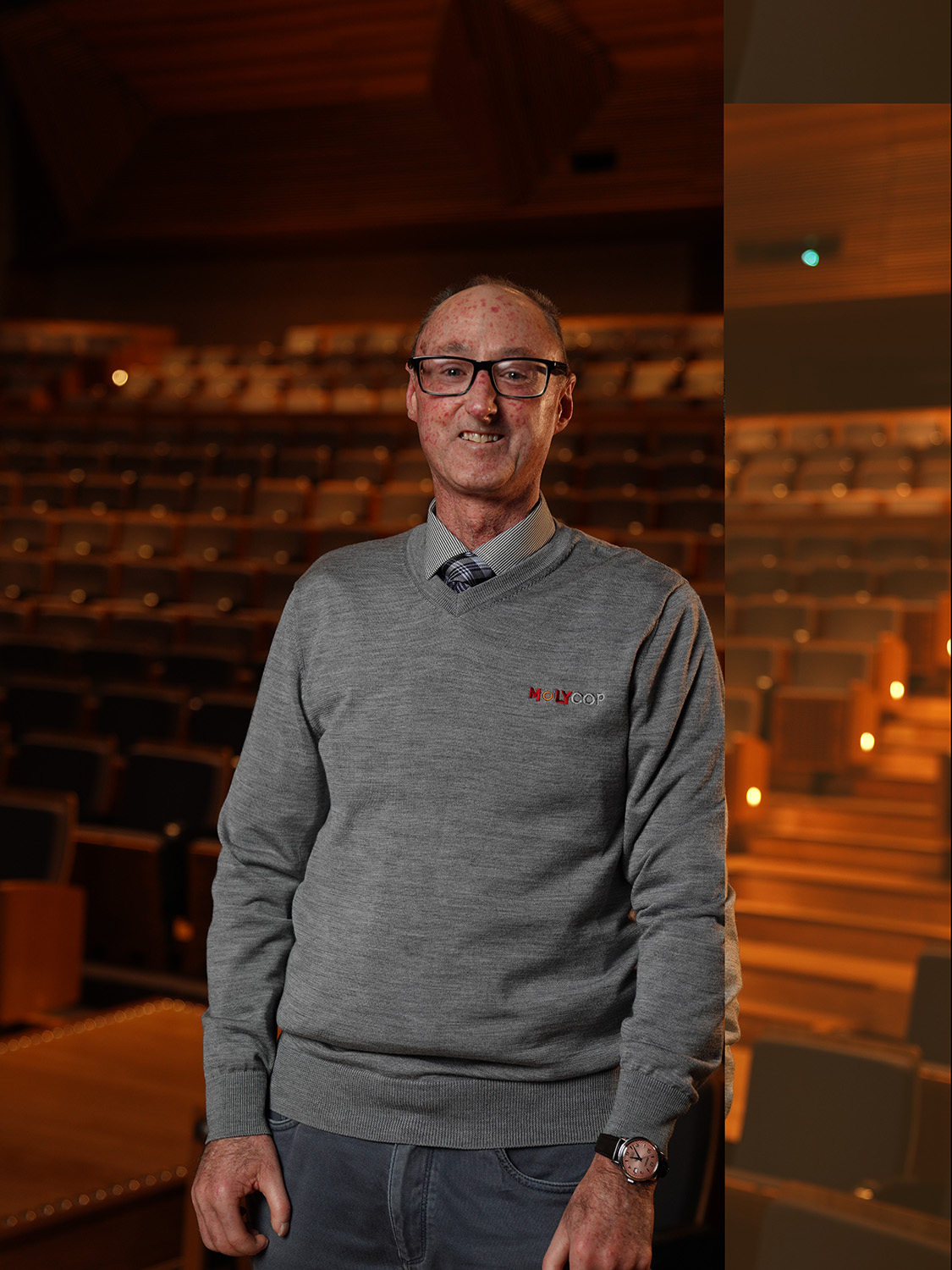
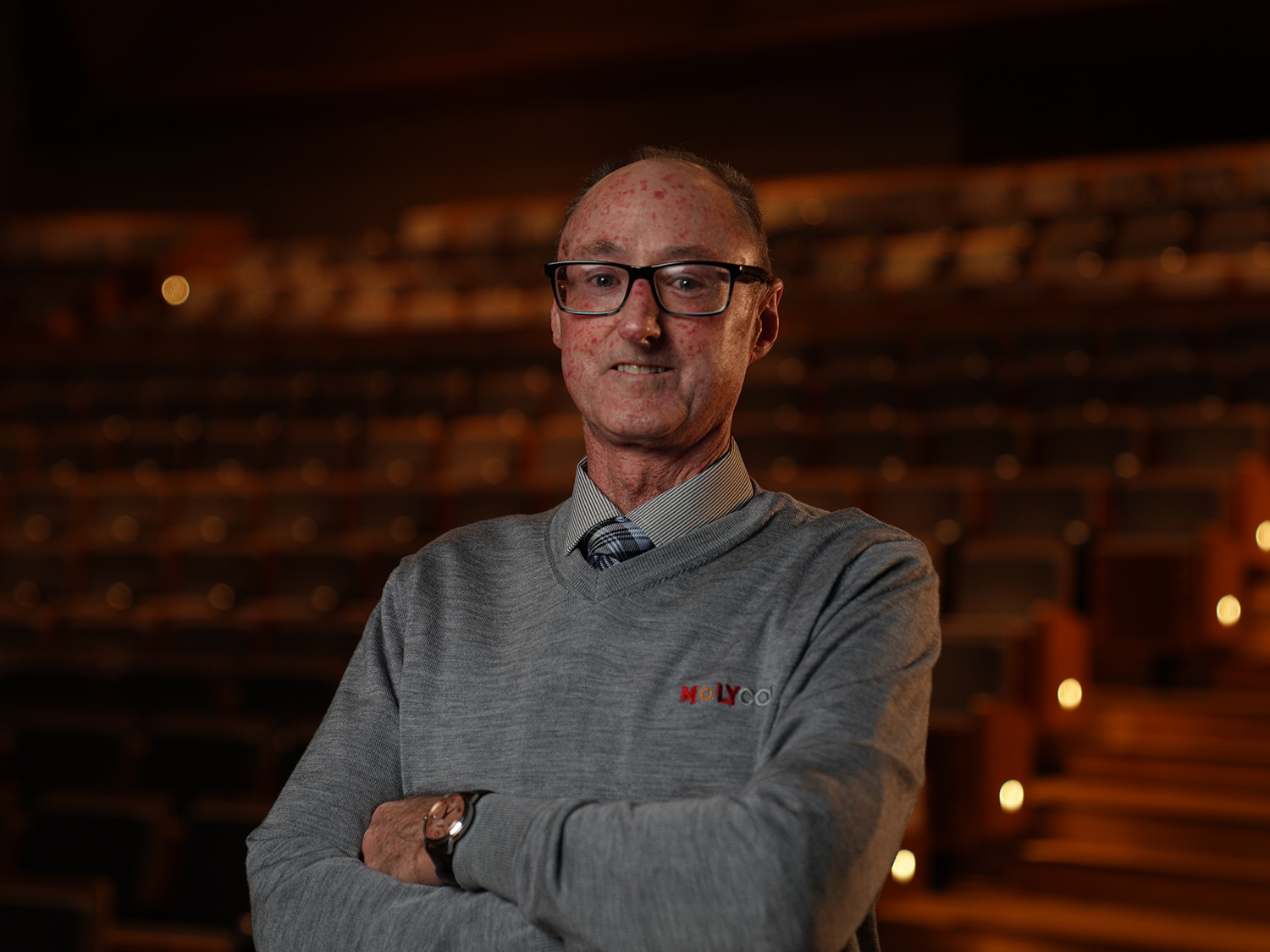
As sustainability targets continue to shape the future of mining, understanding the carbon footprint of comminution processes is becoming increasingly important. At the upcoming Mineral Processing Circuits conference, Dr Paul Shelley, Vice President – Innovation at Molycop, will present new research exploring the carbon footprint of cast grinding media and its implications for mineral processing operations.We spoke with Paul ahead of the conference to learn more about the research, its relevance to the industry, and what delegates can expect from his presentation.
Paul, what prompted this research into the carbon footprint of cast grinding media?
Grinding media plays a surprisingly large role in the energy consumption and carbon emissions story for hard rock mining. Yet until recently, there hasn’t been a definitive industry discussion about the carbon footprint of cast media. We wanted to quantify that footprint properly — from manufacturing through to how media performs in the mill — so operators can make more informed sustainability decisions.
According to the research, emissions arise both from the production of grinding media and from how it is used in comminution circuits. Understanding both dimensions is essential when assessing total environmental impact.
What are some of the key findings from the study?
One of the biggest takeaways is that electricity source matters enormously. Whether energy comes from fossil fuels or non-fossil sources can significantly change the emissions profile of grinding media production. At the same time, the ‘in-use’ phase — the electricity needed to operate mills — often dominates total emissions.
The research highlights that ferrochrome production, electricity generation, and melting technologies all influence the embedded carbon footprint of cast grinding media.
What should mineral processing professionals take away from your presentation?
There’s no single ‘typical’ carbon footprint for cast grinding media. It depends heavily on manufacturing pathways, energy sources, and operational conditions. That means operators need transparency from suppliers and a clear understanding of their own comminution circuits.
He adds that meaningful emissions reductions are achievable through a combination of improved grinding media selection, process optimisation, and transitions toward lower-carbon electricity sources.
.jpg "Paul-Shelley-(2).jpg")
How does this research support the broader sustainability agenda in mining?
The industry is moving quickly toward decarbonisation. What we’re trying to do is provide practical insight — not just theoretical modelling — so mine operators can identify realistic pathways to reduce emissions without compromising performance.
The study also proposes future frameworks for classifying grinding media carbon footprints, helping establish clearer benchmarks for industry progress.
Why should people attend your session at Mineral Processing Circuits 2026?
If you’re involved in milling operations, procurement, or sustainability strategy, this is directly relevant. We’ll unpack the technical drivers behind grinding media emissions and discuss how operators can balance performance, cost, and environmental outcomes.
Join the Conversation
Dr Paul Shelley will present this research at Mineral Processing Circuits 2026. The session will provide practical insights for metallurgists, plant operators, sustainability leaders, and anyone interested in the future of low-carbon comminution.We look forward to seeing you there.