High Chrome grinding media is changing how operators approach performance in secondary milling—offering a more controlled pathway to improved wear, stability, and circuit efficiency.
Key facts
- High Chrome media provides superior corrosion resistance and more consistent wear in fine grinding environments.
- Stable grinding conditions support tighter P80 control and improved downstream performance.
- Value depends on circuit conditions—knowing when to apply High Chrome is critical.
Beyond wear: a broader performance lever
For years, forged steel has been the default choice in grinding circuits. Reliable and familiar, it has served most applications well. But as ore variability increases and optimisation pressures grow, operations are reassessing whether traditional choices still deliver the best outcomes.High Chrome media is increasingly part of that conversation—particularly in secondary milling, where corrosion, abrasion, and particle size control interact in complex ways.
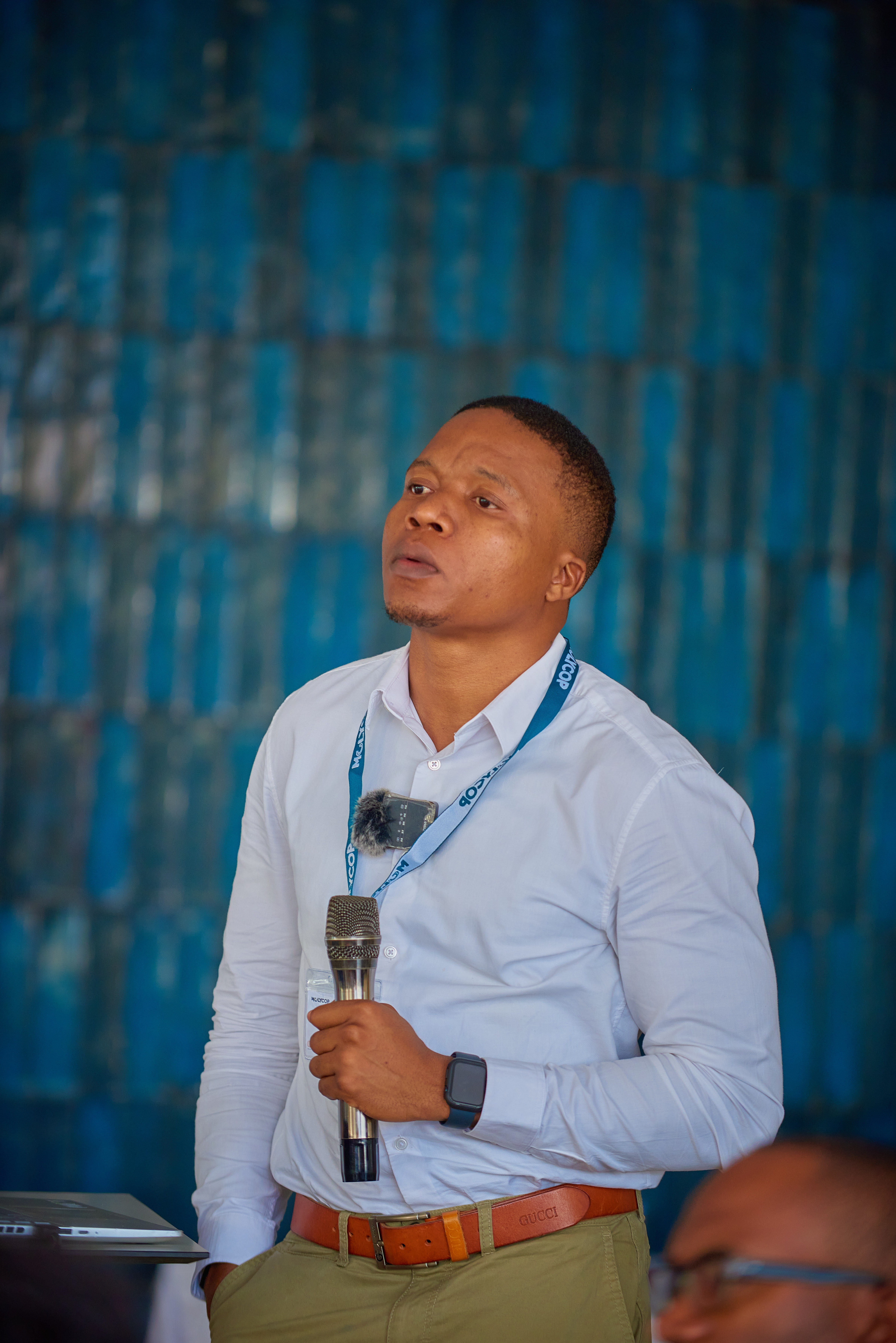
“It’s easy to think of grinding media as just a consumable,” said Oliver Samukute, Regional Sales Manager at Molycop. “But in reality, it’s one of the most direct levers you have to influence circuit performance.”
- Grinding media directly impacts:
- Breakage efficiency
- Grind size stability (P80)
- Energy use
- Downstream processes such as flotation
In many cases, the opportunity isn’t just reducing wear. It’s improving stability and giving the rest of the circuit a better platform to perform.

More than a manufacturer: a solutions and research-driven approach
At Molycop, grinding media performance is not viewed in isolation. Beyond manufacturing, Molycop operates as a research-driven solutions partner—working alongside customers to understand circuit behaviour, wear mechanisms, and metallurgical interactions that influence overall performance.By combining materials science, metallurgical expertise, field-based technical support, and global operational experience, Molycop helps customers optimise grinding media selection and application within the broader context of their mineral processing circuits. This approach enables more informed decision-making, improved operational stability, and measurable performance improvements beyond simple media consumption metrics.
The role of corrosion in fine grinding
In secondary milling environments—particularly regrind and flotation—corrosion often plays a larger role than expected.Unlike forged steel, High Chrome media offers:
- Strong corrosion resistance
- More consistent wear behaviour
- Greater stability in fine grinding
Corrosion is often underestimated. In the right conditions, it becomes a dominant wear mechanism—and that’s where High Chrome can really add value.
The result is not just longer media life, but a more predictable grinding environment.
Stability drives performance
For many operations, variability—not throughput—is the main constraint.Small variations in grind size can lead to:
- Lower recovery
- Higher reagent consumption
- Unstable flotation performance
When you stabilise your grind, everything downstream becomes easier, that’s where the real value shows up.
.jpg)
Not a universal solution
High Chrome is not a one-size-fits-all alternative to forged steel.Its effectiveness depends on:
- Ore mineralogy
- Slurry chemistry
- Circuit configuration
It’s not about replacing one media with another across the board. It’s about understanding your circuit and applying the right solution in the right conditions.
From theory to practice
While the principles behind High Chrome performance are well understood, application remains a challenge.Effective evaluation requires:
- Understanding dominant wear mechanisms
- Monitoring media consumption
- Linking grinding behaviour to downstream performance
A lot of sites rely on experience, which is valuable. But combining that with data is where the real improvements come from.
Continuing the conversation
To explore this further, Molycop is hosting a Molycop Insights webinar, led by Oliver Samukute.The session will provide a practical framework for evaluating High Chrome media, covering:
- Corrosive vs abrasive wear
- Circuit indicators that favour High Chrome
- Performance measurement and monitoring
- Considerations when transitioning media types
This is about helping teams make better decisions. Every circuit is different—so understanding the fundamentals is key.
Join the discussion
For metallurgists and plant teams looking to improve grinding performance and better understand media selection, this session offers practical, experience-driven insight.Register now to take a more structured approach to grinding media optimisation.