
Topics covered
- Pulp chemistry in grinding and flotation.
- Electrochemical influence of ore mineralogy.
- Role of water quality in flotation performance.
- Practical application of Eh-pH diagrams.
- Collector reagent performance in plant case studies.
Presenter
Rocio Santos, Molycop Research and Support Engineer in Flotation Process
Synopsis
Electrochemical conditions play a critical role in the performance of grinding and flotation circuits. This Molycop Insights webinar recording explores how factors such as pulp chemistry, water quality, mineralogy and reagent addition influence electrochemical behaviour and, ultimately, flotation outcomes.Rocio’s practical session connects fundamental electrochemical principles with real-world plant applications, highlighting how proper measurement and monitoring can unlock efficiency gains and improved metallurgical results.
What you’ll learn
- Pulp chemistry fundamentals – Why monitoring Eh and pH in grinding and flotation circuits is essential.
- Impact of water quality and mineralogy – How clays, ore type and process water alter electrochemical conditions.
- Reagent strategies – The importance of measuring and optimising reagent addition points, including collectors, frothers, activators and depressants.
- Eh-pH diagrams – How oxidation-reduction conditions affect sulfide hydrophobicity and flotation response.
- Experimental methods – Best practice for plant sampling, pulp chemical analysis and batch flotation testing.
- Case study – Comparative results from different collector reagents and their impact on electrochemical potential and flotation performance.
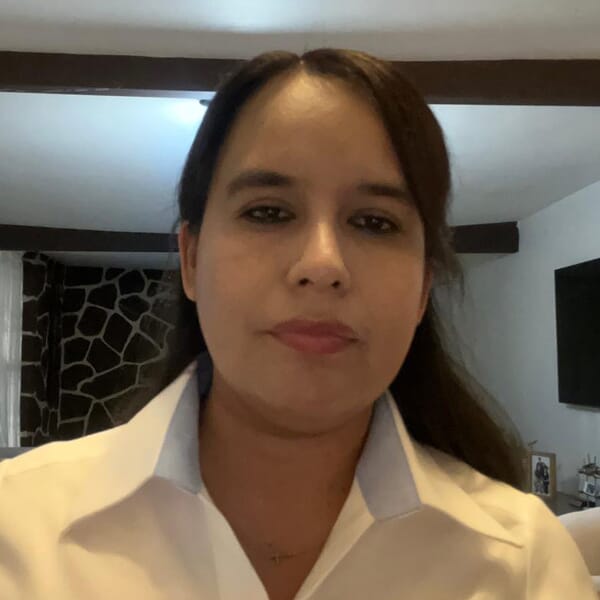
Presenter
Rocío Santos
Molycop Research and Support Engineer in Flotation Process
Rocío has more than three years’ experience working in metallurgical laboratories, where she specialised in the preparation of mineral samples, metallurgical flotation tests and leaching studies. Rocío holds a Masters degree in Environmental Science and Technology and is currently pursuing her PhD at the Institute of Metallurgy. Her academic and professional background positions her to deliver innovative, data-driven solutions that enhance mineral processing efficiency and sustainability.