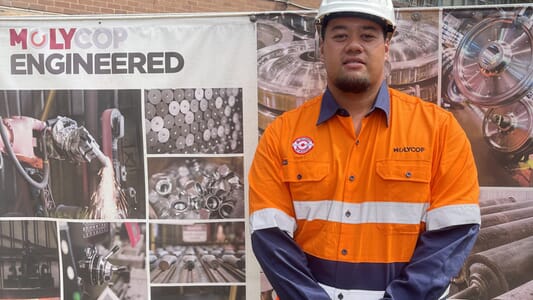
Driving innovation in grinding media performance through advanced research, testing, and metallurgical expertise at Molycop’s Chile Wear Research Laboratory.
Key Facts
- Carlos Garcia is advancing grinding media research at Molycop’s Chile Wear Research Laboratory in Talcahuano.
- The BMAT methodology is used to evaluate grinding media performance under simulated industrial conditions.
- Research focuses on improving product development, wear prediction, and customer outcomes through data-driven insights.
A Journey into Materials Engineering
One of those people is Carlos Garcia, a Metallurgy Lab Engineer based at Molycop’s Chile Wear Research Laboratory in Talcahuano, Chile — a specialist whose journey into materials engineering and grinding media research began during university studies in Australia and has since evolved into a career focused on advancing wear testing methodologies and metallurgical understanding.
Academic Foundations and Early Research
Graduating as a Mechanical and Materials Engineer from The University of Queensland, Carlos’ early academic work centred on the Ball Mill Abrasion Test (BMAT), an innovative wear testing methodology now deployed by Molycop to study grinding media performance. During this time, he investigated how different BMAT operational variables influenced the relative abrasion resistance of various alloy groups, laying the groundwork for a career deeply connected to grinding media research and development.
Building Technical Expertise
Alongside his thesis work, he worked with UQ Materials Performance as a research assistant, developing hands-on expertise in material characterization, heat treatment analysis, hardness and micro-hardness testing, optical microscopy and electron microscopy. That foundation would later prove invaluable in the industrial application of wear research.
Continued Research and Academic Contribution
After returning to Ecuador, Carlos continued his academic and research journey as a teaching and research assistant at university level, leading projects focused on abrasive wear of materials while continuing to deepen his understanding of BMAT technology. His passion for the field contributed to the publication of technical papers exploring optimisation and application of the equipment.
Joining Molycop’s Innovation Team
Joining Molycop’s Innovation team represented a natural next step.“Molycop is a benchmark in innovation, research and development within grinding media,” Carlos explained.
The opportunity to contribute to BMAT implementation and work on projects connected to grinding media development aligned perfectly with my experience and interests.
Research and Testing at the Chile Laboratory
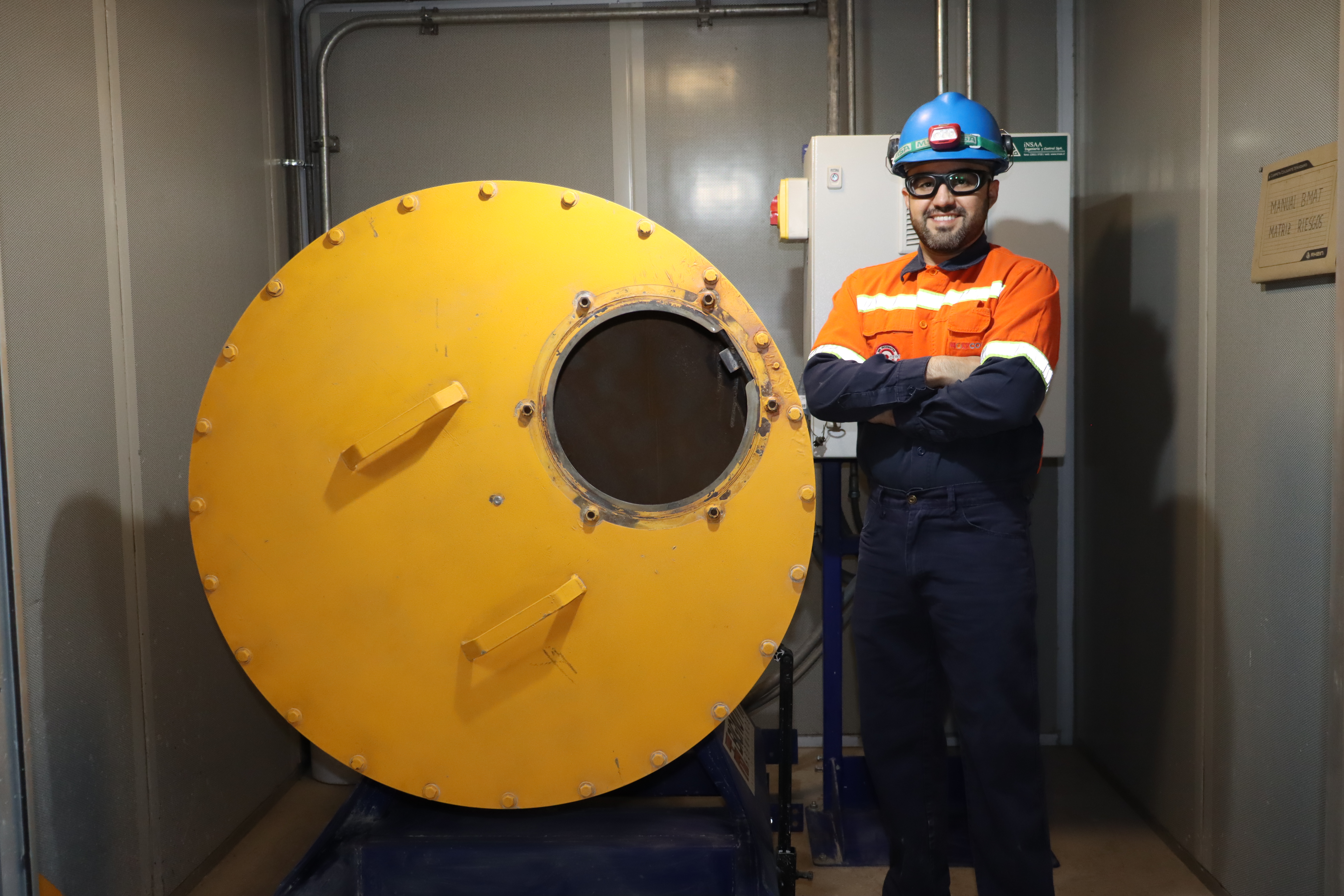
Today, based at the Chile Wear Research Laboratory within Molycop’s Talcahuano operations, Carlos’ work sits at the intersection of advanced testing, metallurgy and customer-focused product development.The laboratory’s work is divided into two primary areas: grinding media performance evaluation using BMAT and metallurgical investigations supported by advanced electron microscopy.
BMAT Testing and Practical Application
On the BMAT side, projects involve everything from experimental design and sample preparation through to conditioning, quantitative testing, data analysis and interpretation. These studies simulate industrial ball mill conditions to better understand grinding media performance in real-world applications.
Advanced Metallurgical Analysis
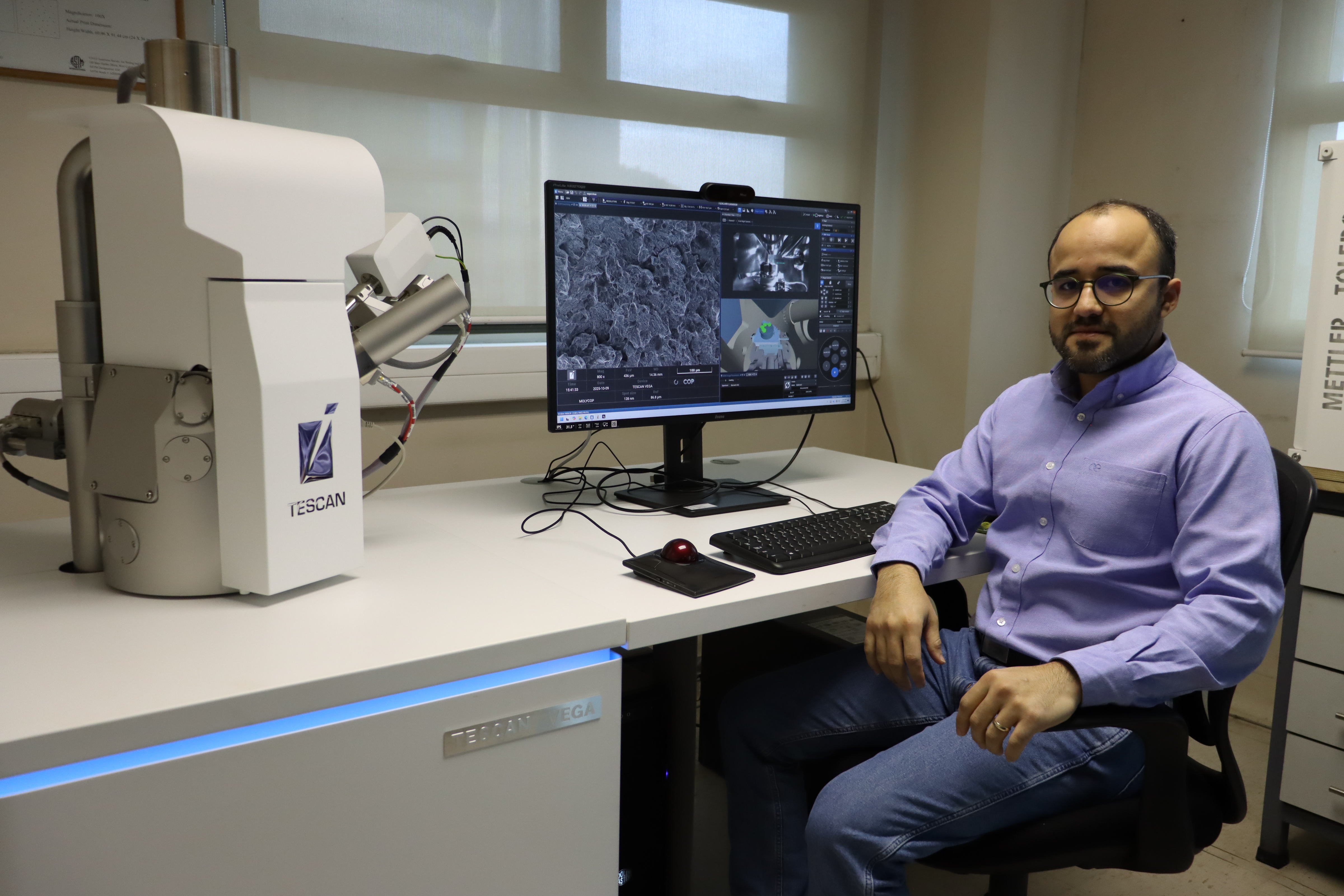
The second stream of work focuses on metallurgical analysis, including chemical characterization, hardness evaluation and advanced electron microscopy investigations. Using specialized detectors within the laboratory’s electron microscope systems, the team can examine microstructures, evaluate elemental composition and investigate wear mechanisms and fractography in significant detail.
Impact on Product Development and Customer Outcomes
The work being undertaken in Chile is contributing directly to both product development and customer outcomes.“With the BMAT, we have already supported the development and selection of products,” Carlos said.
In some projects, the testing helped reveal subsurface features within the grinding balls, helping the business better understand the impact of forming parameters on final product quality.
By identifying and understanding these mechanisms, the team is helping improve manufacturing quality and product consistency for customers operating in demanding mineral processing environments.
Supporting Product Selection
The BMAT has also played an important role in product selection studies, helping determine the most suitable grinding media grades for specific industrial operating conditions. Through both quantitative and qualitative analysis, the methodology provides valuable insight into which products are likely to deliver the best performance at customer sites.
Advancing Research Capabilities
A major current focus for the Chile Wear Research Laboratory is the ongoing study into the relationship between BMAT and Marked Ball Wear Test (MBWT) results — a complex and highly technical research area aimed at strengthening the predictive capability of laboratory testing against industrial performance.The project has involved international collaboration, including the collection and transport of abrasive ore samples from customer sites in other countries to Chile for controlled testing and preparation. Through multiple testing phases and systematic evaluation of operational variables, the team continues refining protocols and improving understanding of how laboratory conditions correlate with industrial mill environments.
A Data-Driven Future
The broader objective is clear: continue building more reliable, data-driven methodologies that support product innovation and customer performance improvements.
People Behind the Innovation
Beyond the technical achievements, the story also highlights the depth of expertise and passion that exists within Molycop’s global operations.Whether studying grinding media wear mechanisms through electron microscopy, refining testing methodologies or contributing to research that advances mineral processing performance, Carlos Garcia and the Chile Wear Research Laboratory team are helping position Molycop at the forefront of grinding media innovation.
Precision Beyond the Laboratory
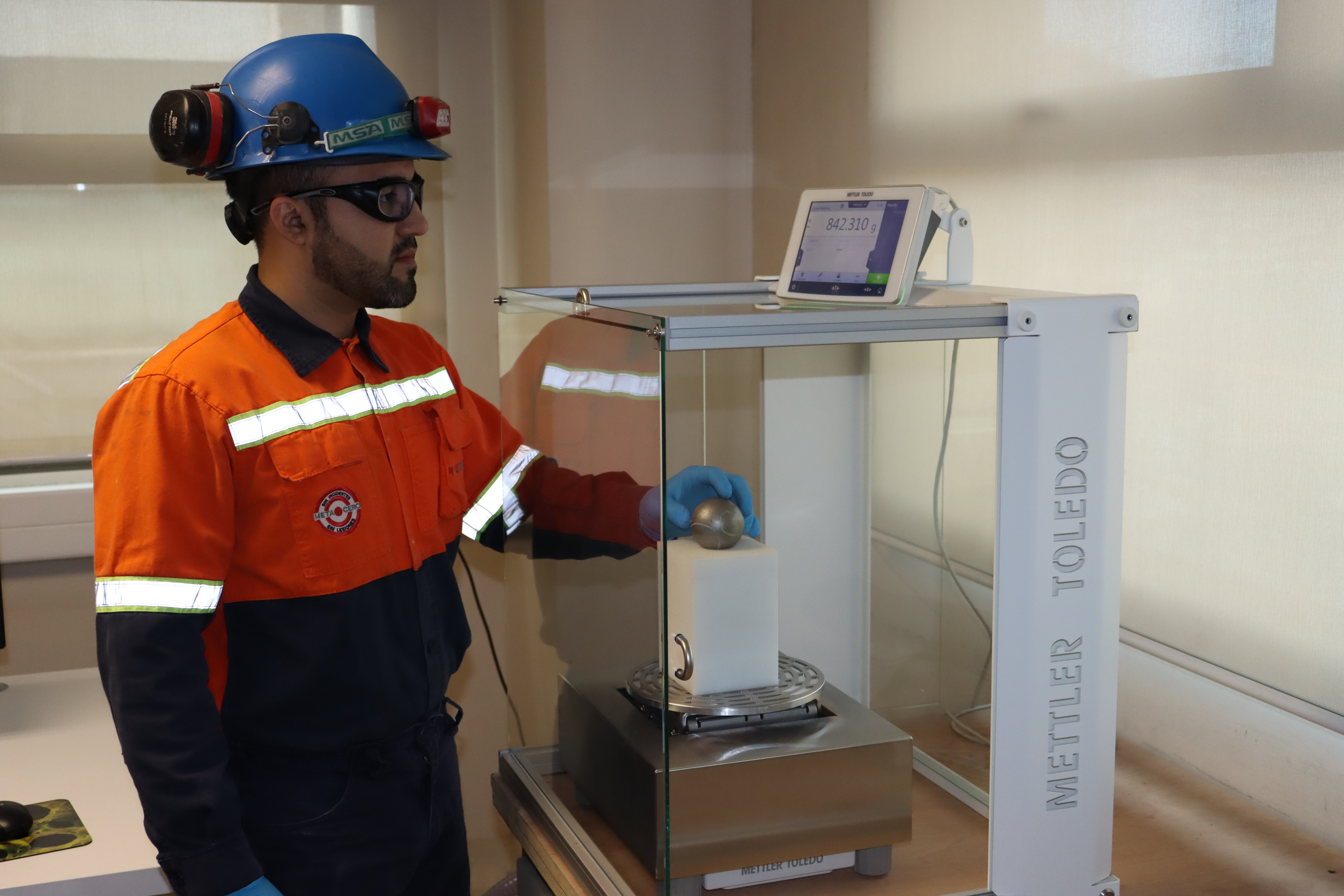
Outside the laboratory, Carlos’ passion for precision extends into another personal interest — coffee brewing.Interestingly, he sees strong similarities between preparing coffee and laboratory work.
“It requires weighing before, grinding, weighing after and evaluating the result,” he said.
The main difference is that with coffee, the final reward is a delicious drink.
It is perhaps a fitting comparison for the work being carried out in Chile — a careful balance of science, precision, experimentation and continuous improvement.