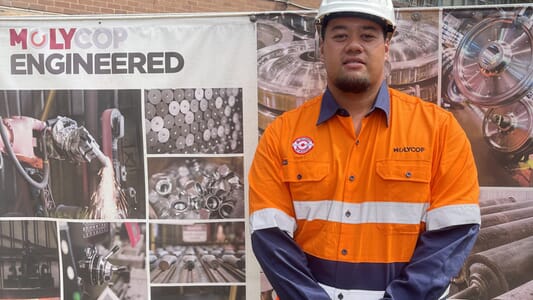
In March 2026, Molycop hosted a distinguished delegation from Queen Mary University of London as part of an ongoing collaboration focused on advancing ferrous metallurgy and improving product performance in mineral processing applications.
Key Facts
- Molycop hosted leading metallurgical experts from Queen Mary University of London in Peru.
- The visit focused on advancing ferrous metallurgy and grinding media performance.
- Collaboration highlighted the link between materials science and plant performance.
The visit brought together leading researchers and Molycop’s Innovation and Peru teams to explore opportunities for deeper collaboration in metallurgy and product performance enhancement, areas that are fundamental to improving the durability and longevity of grinding media used in modern mineral processing circuits.
Molycop metallurgists from Chile, Peru, Spain and Australia attended the program, alongside the Peru Applications team, ensuring a strong cross-functional exchange between metallurgy, mill performance and operational analysis.
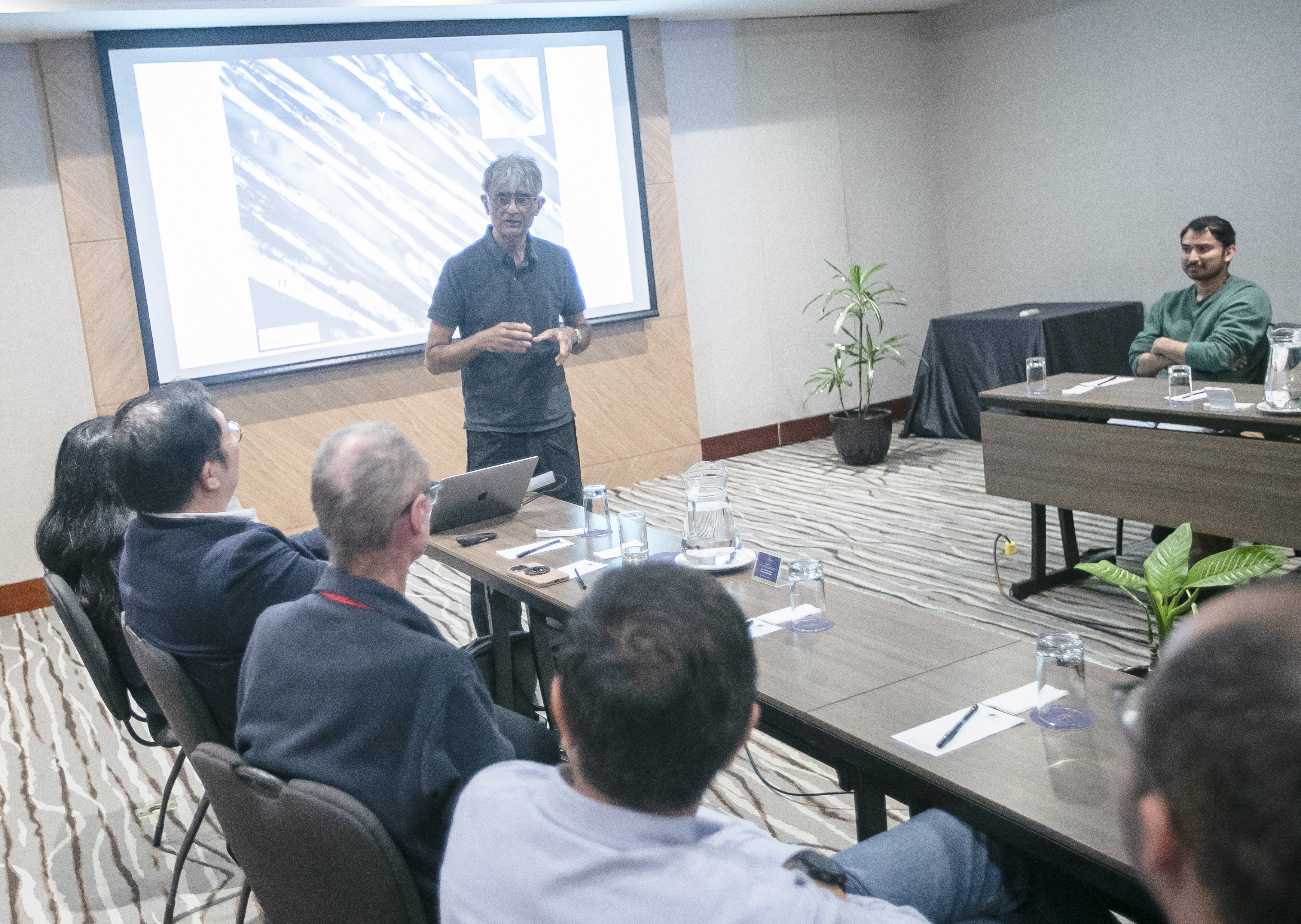 Distinguished steel expert Professor Sir Harry Bhadeshia was part of the delegation visiting from QMUL.
Strengthening collaboration between industry and academia
The delegation included renowned steel expert Professor Sir Harry Bhadeshia, alongside Dr Chinnapat Panwisawas, a specialist in computational materials engineering, and Rajdeep Mondal, a PhD researcher focused on advanced steel metallurgy.As part of their visit, the group toured Molycop’s manufacturing facility at the Lima plant and La Joya plant (located near Arequipa). During the visit, they met with local engineers and technical specialists and observed production processes firsthand, gaining insight into the manufacturing of high-performance grinding media used in mineral processing operations globally.
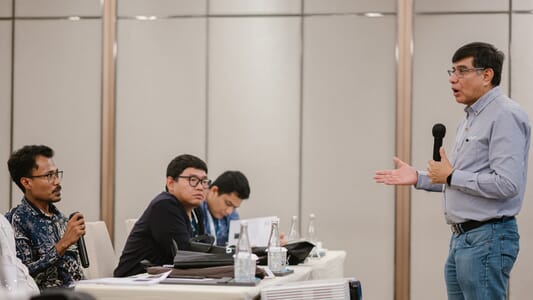
Following the site visit, the delegation travelled to Lima, where Professor Sir Harry Bhadeshia delivered a technical lecture to Molycop metallurgists and invited guests. To maximise the value of the session, Molycop combined its Peru-based Applications engineers with the broader metallurgy group, creating a unique opportunity to bridge metallurgical science with mill analysis and operational performance.
The lecture addressed key topics including steel metallurgy, microstructural engineering and the fundamental science underpinning high-performance materials in demanding industrial environments.
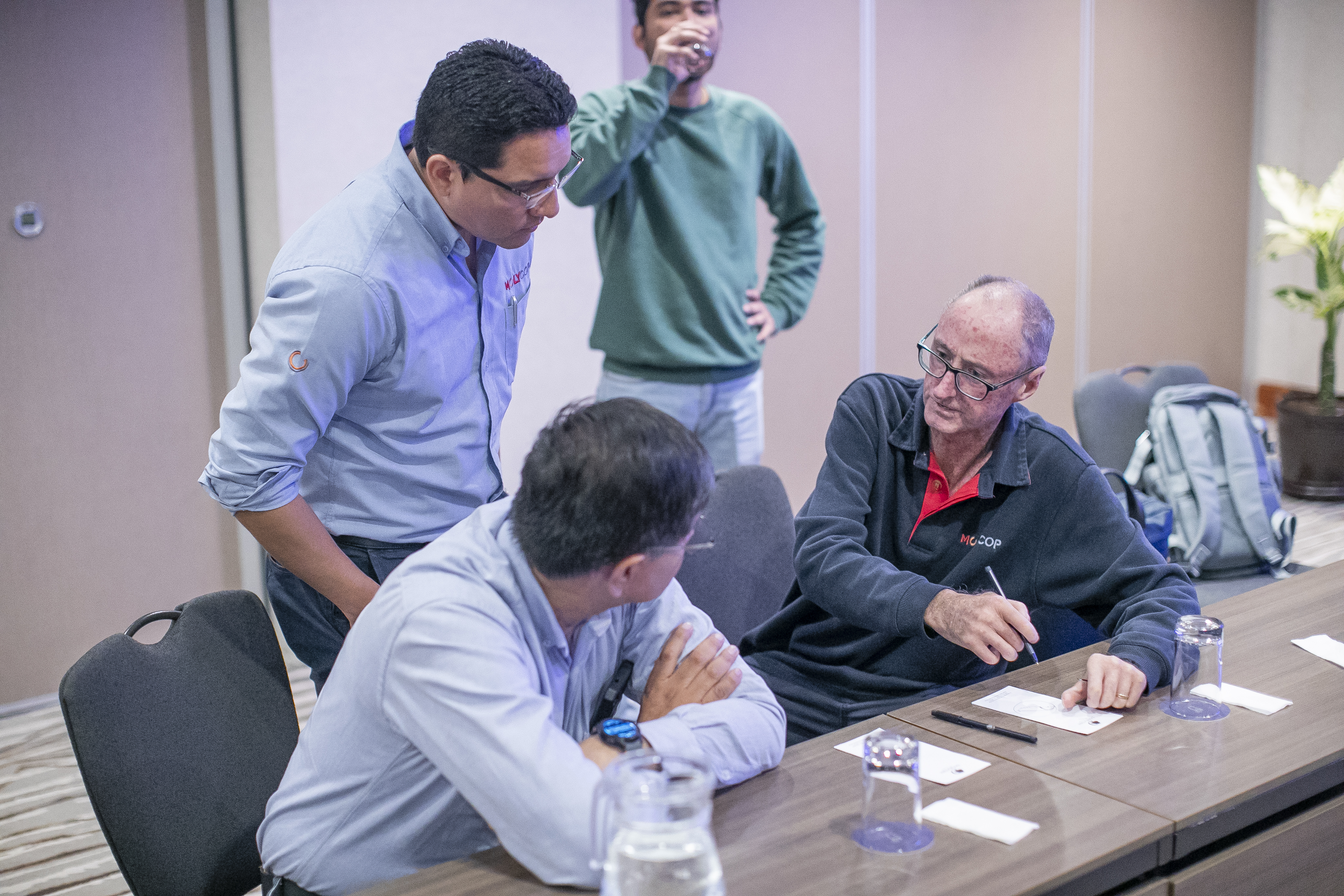
Dr Paul Shelley, Molycop Vice President, Global Innovation (right), is at the forefront of investigating new scientific approaches.
Advancing innovation through research
For Molycop, the visit represents another step in strengthening its collaboration with world-leading academic institutions. Molycop currently works with 16 universities and industry bodies globally, reinforcing its commitment to integrating academic research with real-world application.Dr Paul Shelley, Vice President, Global Innovation at Molycop, said the collaboration highlights the importance of bridging academic research with industrial outcomes.
Partnerships with leading research institutions such as Queen Mary University of London allow us to explore new scientific approaches and apply them to practical challenges faced by our customers. By combining academic insight with operational experience, we can continue to improve the performance, reliability and sustainability of our grinding media solutions.
A key focus of the collaboration is the role of advanced metallurgical research in improving grinding media performance and extending operational life in comminution circuits.
Dr Hamid Pourasiabi, Principal Tribology/Metallurgy Engineer at Molycop Innovation, emphasised the importance of close collaboration with leading researchers:
The interaction between materials engineering and tribology is fundamental to how grinding media perform in service. Working alongside leading researchers gives us valuable insights into microstructural evolution, wear behaviour and performance optimisation under real operating conditions.
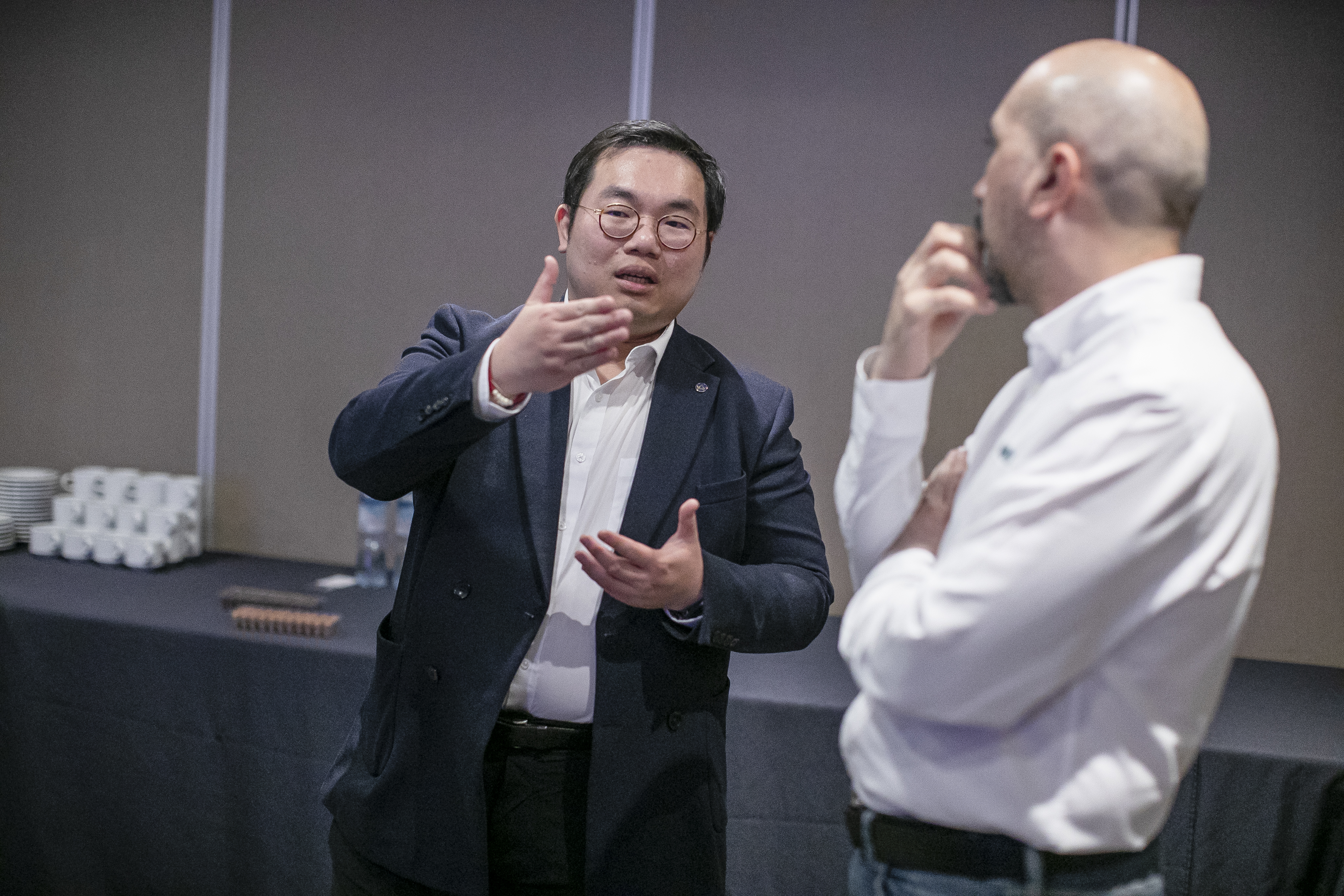
Dr Chinnapat Panwisawas, a specialist in computational materials engineering, was another key member of the delegation.
Knowledge exchange and future collaboration
The visit concluded with an afternoon knowledge-sharing session in Lima, where Professor Sir Harry Bhadeshia engaged directly with Molycop engineers, metallurgists and applications specialists. These sessions provided a valuable platform for exchanging ideas, aligning technical perspectives and identifying future research opportunities, particularly in connecting advanced materials science with practical plant performance outcomes.By bringing together global Molycop teams and leading academic experts, the visit reflects a broader commitment to collaboration, knowledge sharing and continuous improvement.