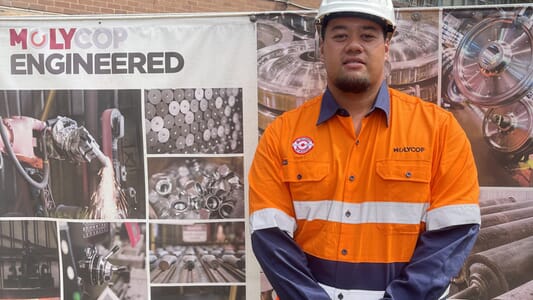
Molycop will showcase how advanced modelling and industry–academic collaboration are driving greater control, consistency and performance in steel grinding media manufacturing.
Key Facts
- Molycop research has been accepted for presentation at PRICM12, a leading international materials science conference to be held 9–13 August in Broadbeach, Australia.
- The study focuses on modelling thermal fields and microstructural evolution in steel grinding media.
- Collaboration is with specialists at Queen Mary University of London (QMUL) and leading experts in materials science.
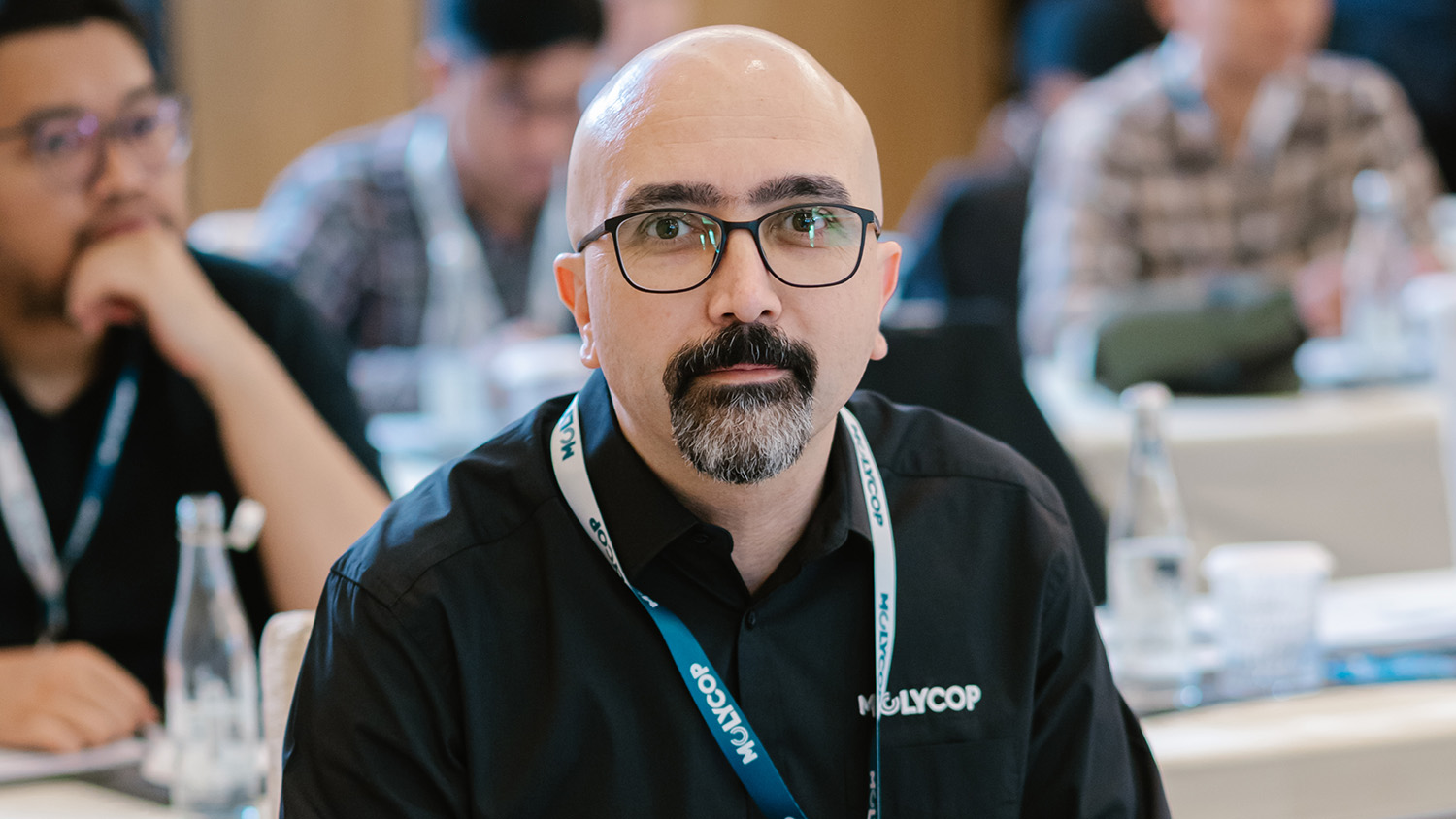 Paper co-author Dr Hamid Pourasiabi says the goal of his research is to translate insights into reliability and performance for Molycop customers.
Research focus and collaboration
The paper, Modelling and prediction of thermal field and microstructural evolution during processing of steel grinding media, is the result of a collaborative effort between Rajdeep Mondal, Dr Hamid Pourasiabi, Dr Chinnapat Panwisawas and Prof Sir Harry Bhadeshia, under the leadership of Prof Sir Harry Bhadeshia at Queen Mary University of London (QMUL).Understanding thermal processing and microstructure
At its core, the research examines how thermal processing parameters influence microstructural evolution in steel grinding media, and how these transformations can be modelled and predicted with greater precision. The practical objective is clear: to improve manufacturing control, reduce variability and deliver more consistent product performance in demanding comminution environments.
The role of predictive modelling
The work being presented at PRICM12 reflects the increasing importance of process modelling in materials engineering, particularly where small variations in processing can have significant effects on the performance of the grinding media in mineral processing plants. By linking thermal fields to microstructural outcomes, the research provides a pathway toward more controlled and optimised manufacturing processes.
From research to real-world impact
For Molycop, the recognition of this work is also a reflection of its broader commitment to research-led innovation. As Dr Hamid Pourasiabi explains:What we are trying to achieve is a deeper level of control over how microstructures form during processing. When we can predict these transformations with confidence, we can design products that behave more consistently in the field.
He adds that the value of the work extends beyond theory:
This is not purely academic modelling. The goal is to translate these insights into manufacturing decisions that improve reliability and performance for our customers.
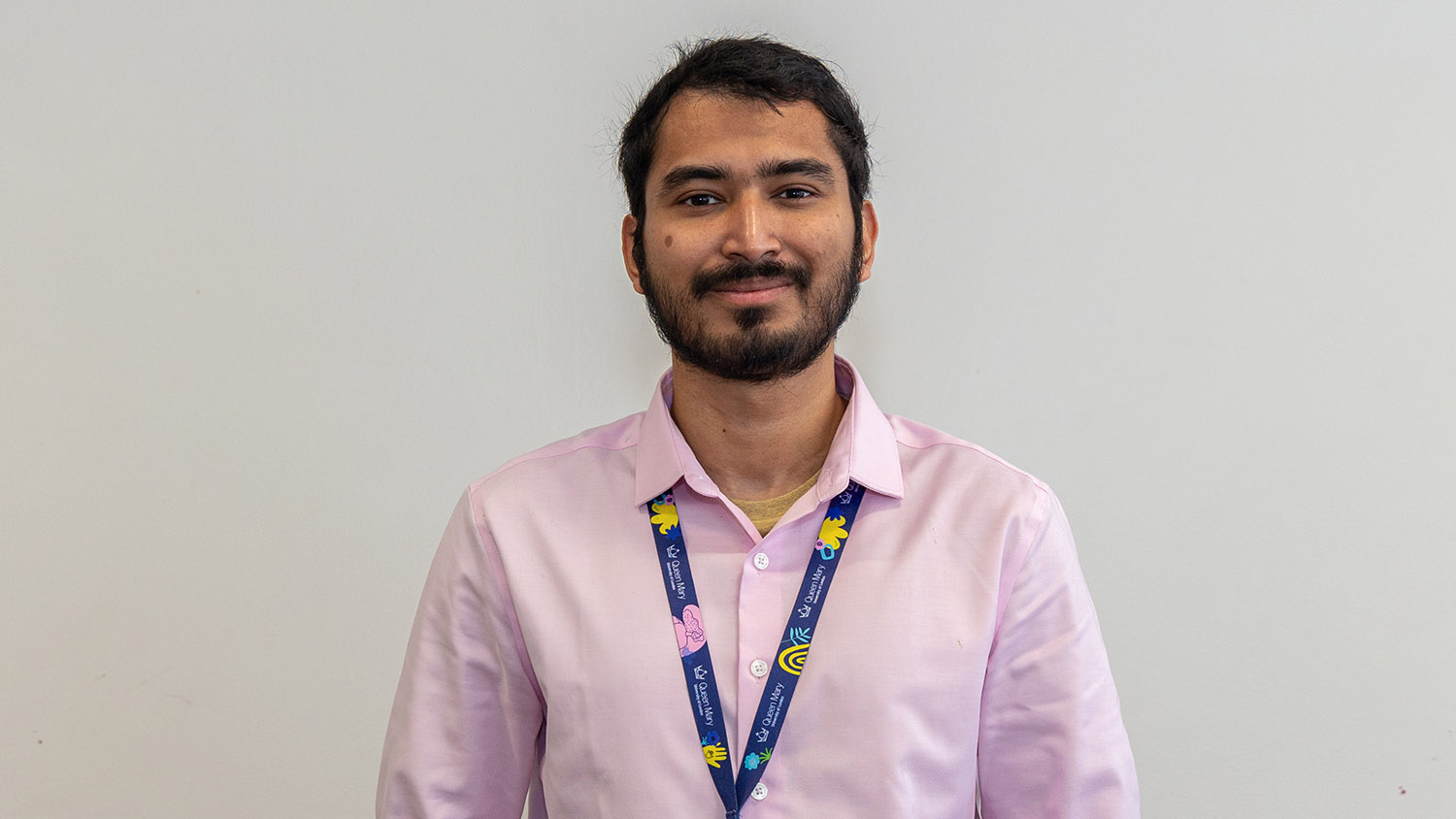 Rajdeep Mondal will take the lead in presenting the paper at PRICM12.
The importance of collaboration
On the importance of collaboration, he notes:Working alongside leading academic partners allows us to challenge assumptions and refine our understanding. It accelerates the path from concept to application in a way that would be difficult to achieve in isolation.
Presenting at PRICM12
Within the collaboration, Rajdeep Mondal will take the lead in presenting the paper at PRICM12, representing the practical application of this research within Molycop’s innovation framework. His presentation will highlight both the modelling methodology and the implications for industrial-scale production of grinding media.
A platform for knowledge exchange
PRICM itself serves as a critical platform for this kind of exchange. Bringing together researchers, engineers and industry practitioners from across the Asia-Pacific region and beyond, the conference focuses on advancing materials science through shared knowledge and cross-disciplinary collaboration. Topics spanning advanced steels, thermodynamics and computational modelling continue to shape the direction of next-generation materials engineering.
Strengthening innovation through research
The inclusion of this work in the PRICM12 program underscores the strength of industry–academic partnerships in addressing complex metallurgical challenges. It also reinforces Molycop’s ongoing commitment to developing science-based, practical solutions that improve performance in real-world operating environments.Congratulations are extended to Rajdeep Mondal, Dr Hamid Pourasiabi, Dr Chinnapat Panwisawas, and Prof Sir Harry Bhadeshia on this achievement.